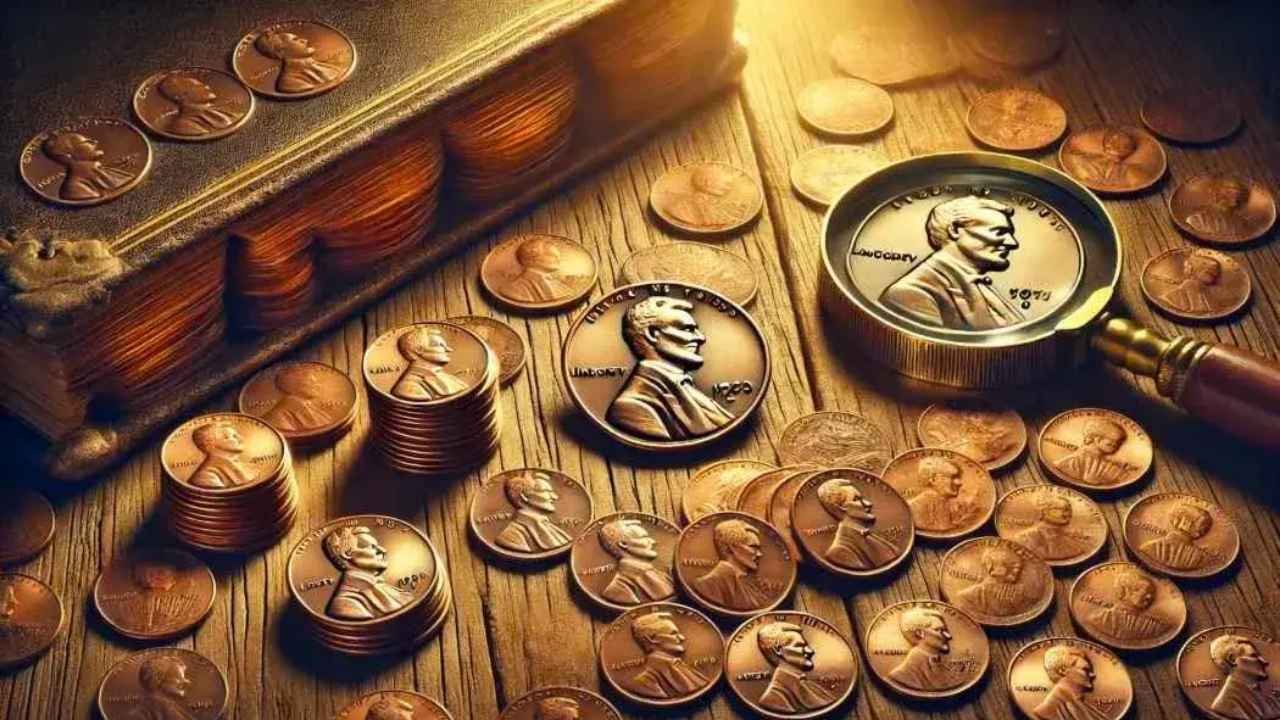
Wheat pennies, minted between 1909 and 1958, remain one of the most fascinating areas of coin collecting. Their historical significance, combined with rare minting errors and key dates, makes them highly sought after by collectors and investors alike. Understanding which coins hold the most value can help enthusiasts build collections that are both rewarding and potentially profitable.
The History of Wheat Pennies
The Lincoln Wheat penny was first introduced in 1909 to commemorate the centennial of Abraham Lincoln’s birth. Designed by Victor David Brenner, the coin featured Lincoln’s portrait on the obverse and two wheat stalks on the reverse. This design remained in circulation until 1958, after which the reverse was changed to the Lincoln Memorial.
Why Wheat Pennies Are Valuable
Several factors contribute to the value of wheat pennies:
- Key Dates: Certain years and mint marks had lower production, making them rarer.
- Minting Errors: Coins with double dies, off-center strikes, or other mistakes are highly collectible.
- Condition: Coins in uncirculated or near-perfect condition command higher prices.
- Historical Significance: Early issues, especially those tied to Lincoln’s centennial, carry added appeal.
Key Dates to Look For
Collectors often focus on specific years and mint marks that are considered rare. Some of the most valuable include:

- 1909-S VDB: The first year of issue with the designer’s initials prominently displayed.
- 1914-D: A low-mintage coin from the Denver Mint.
- 1922 No D: A rare variety where the Denver mint mark was accidentally omitted.
- 1931-S: Another low-mintage coin highly prized by collectors.
- 1955 Double Die: Famous for its dramatic doubling of the date and lettering.
Rare Errors That Increase Value
Minting errors can transform an ordinary coin into a treasure. Notable examples include:
- Double die obverse coins, such as the 1955 penny.
- Off-center strikes where part of the design is missing.
- Repunched mint marks that show doubling of the letter.
- Die cracks and cuds that create unusual raised lines or blobs on the coin.
Investment Insights
Wheat pennies are not only collectibles but also potential investments. Their value has steadily increased over time, especially for rare varieties. Investors should consider:

- Diversification: Collecting a mix of common and rare coins spreads risk.
- Grading: Professional grading ensures authenticity and condition, which directly impacts value.
- Market Trends: Monitoring auction results and coin shows helps identify rising demand.
- Long-Term Holding: Rare coins often appreciate over decades, making them suitable for patient investors.
Building a Collection
For beginners, starting with affordable coins from the 1940s and 1950s is a good entry point. As knowledge grows, collectors can pursue rarer dates and error varieties. Networking with other collectors, attending coin shows, and studying price guides are essential steps in building a meaningful collection.
Key Highlights
- Wheat pennies were minted from 1909 to 1958 and remain highly collectible.
- Key dates like 1909-S VDB, 1914-D, and 1955 Double Die are among the most valuable.
- Minting errors such as double dies and off-center strikes significantly increase value.
- Condition and professional grading play a crucial role in determining worth.
- Collectors and investors alike benefit from understanding market trends and long-term appreciation.
Final Words
The world of wheat pennies offers a unique blend of history, artistry, and financial opportunity. Whether you are a casual collector or a serious investor, these coins provide endless fascination. By focusing on rare dates, error varieties, and maintaining coins in the best possible condition, you can build a collection that not only preserves a piece of American history but also holds lasting value.
