Wheat Penny
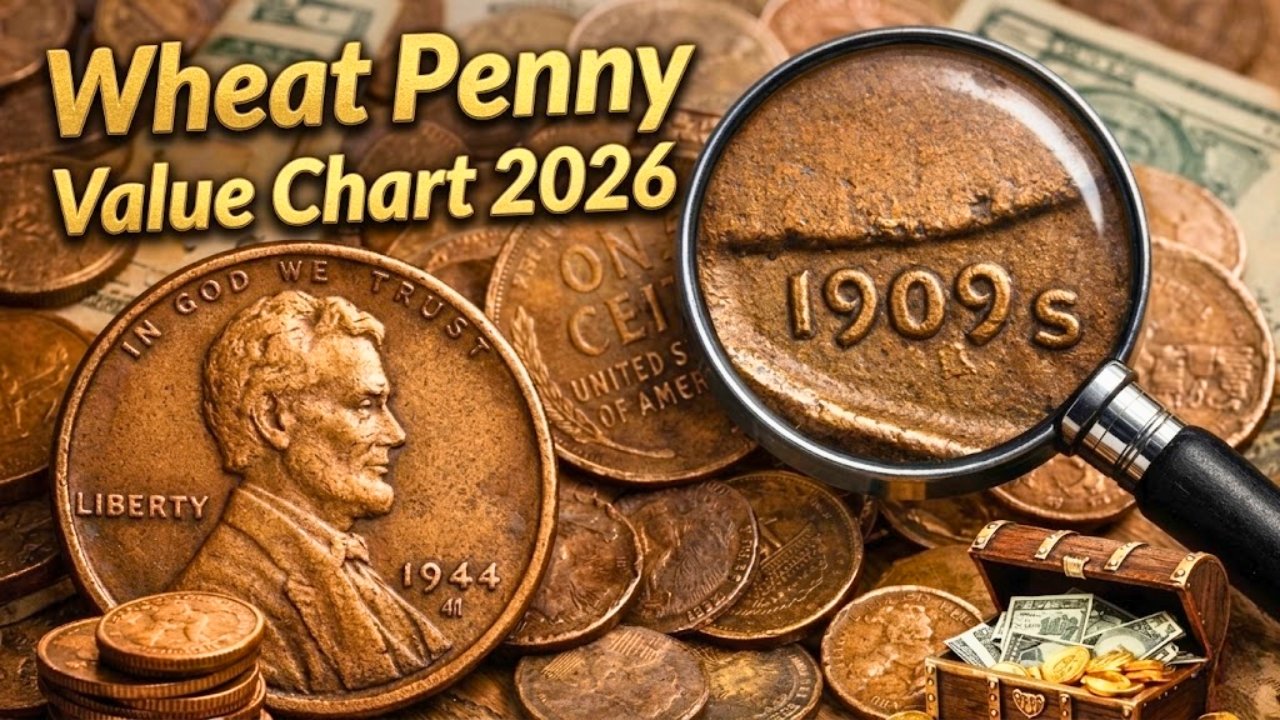
Wheat pennies, minted between 1909 and 1958, remain one of the most beloved coins among collectors. Their iconic design featuring two wheat stalks on the reverse and the portrait of Abraham Lincoln on the obverse makes them instantly recognizable. Beyond their aesthetic appeal, wheat pennies carry historical significance, reflecting the economic and cultural shifts of the early to mid‑20th century. In 2026, collectors continue to seek these coins not only for their rarity but also for their potential investment value.
The Origins of the Wheat Penny
The wheat penny was first introduced in 1909 to commemorate the centennial of Abraham Lincoln’s birth. Designed by Victor David Brenner, it was the first U.S. coin to feature a real person rather than a symbolic figure. The coin’s reverse displayed two wheat ears, symbolizing prosperity and growth.
Key Dates and Rarities
Some wheat pennies are far more valuable than others due to limited mintage or unique errors. Collectors often look for these standout years:
- 1909‑S VDB: The most famous rarity, with only 484,000 minted.
- 1914‑D: Scarce and highly sought after, especially in higher grades.
- 1922 No D: A minting error from Denver that produced coins without the “D” mint mark.
- 1931‑S: Low mintage year, making it a prized addition.
- 1955 Double Die: A dramatic error coin with doubled lettering, extremely popular among collectors.
Value Trends by Year
Wheat penny values vary depending on condition, rarity, and demand. Common dates in circulated condition may only be worth a few cents to a dollar, but rare dates in uncirculated grades can fetch hundreds or even thousands. For example, a 1909‑S VDB in mint state can exceed $1,000, while a 1955 Double Die can command several thousand dollars depending on grade.
Collecting Strategies
Collectors often pursue wheat pennies in three main ways:
- Year and Mint Set: Building a complete collection from 1909 to 1958, including all mint marks.
- High‑Grade Focus: Seeking coins in uncirculated or proof condition for long‑term value.
- Error Coins: Hunting for varieties such as double dies, repunched mint marks, or off‑center strikes.
Historical Significance
Wheat pennies are more than just coins; they are artifacts of American history. They circulated during two world wars, the Great Depression, and the postwar boom. Each coin tells a story of the era in which it was minted, making them appealing to both historians and numismatists.

Investment Potential
In 2026, wheat pennies continue to be a stable investment in the numismatic market. Rare dates and high‑grade examples tend to appreciate steadily, while common coins remain affordable entry points for new collectors. As demand for tangible assets grows, coins like the wheat penny offer both historical charm and financial promise.
Key Highlights
- Minted from 1909 to 1958, designed by Victor David Brenner.
- Famous rarities include the 1909‑S VDB, 1914‑D, 1922 No D, 1931‑S, and 1955 Double Die.
- Values range from a few cents for common dates to thousands for rare varieties.
- Collectors pursue complete sets, high‑grade coins, or error varieties.
- Wheat pennies remain historically significant and financially appealing in 2026.
Final Words
The wheat penny is more than just a coin; it is a piece of American heritage. Whether you are a seasoned collector or a beginner, exploring these coins offers a rewarding journey through history and numismatics. With values continuing to hold strong in 2026, wheat pennies remain a cornerstone of coin collecting and an enduring symbol of the past.