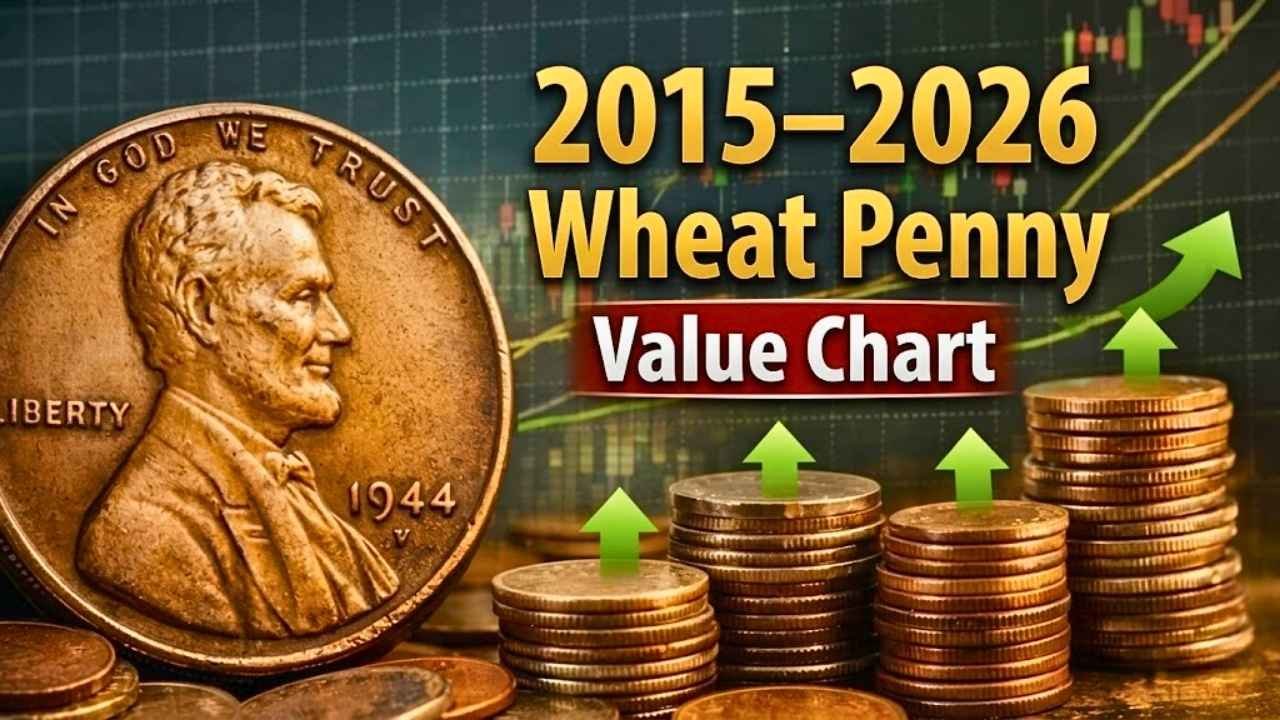
The Wheat Penny, officially known as the Lincoln Wheat Cent, is one of the most iconic coins in American numismatics. Minted from 1909 to 1958, it features the familiar portrait of Abraham Lincoln on the obverse and two wheat stalks on the reverse. While millions were produced, certain dates, mint marks, and varieties have become highly valuable. Between 2015 and 2026, the Wheat Penny market has shown steady growth, with rare examples reaching impressive prices. This guide explores the history, rarity, and value trends of Wheat Pennies, helping collectors understand their true worth.
The History of the Wheat Penny
The Wheat Penny was introduced in 1909 to celebrate the centennial of Abraham Lincoln’s birth. Designed by Victor David Brenner, it was the first U.S. coin to feature a real person rather than a symbolic figure. The reverse design, with two wheat stalks, symbolized prosperity and agriculture. Over the years, the coin underwent minor changes, but its basic design remained until 1959, when the Lincoln Memorial reverse replaced it.
Key Dates and Mint Marks
Certain Wheat Pennies are especially valuable due to low mintages or unique varieties. The 1909-S VDB is one of the most famous, with only 484,000 minted. Other key dates include the 1914-D, 1922 no D, and 1931-S. Collectors also prize coins from the San Francisco and Denver mints, which often had lower production numbers than Philadelphia. Mint marks play a crucial role in determining rarity and value.
Error Varieties
Error coins add excitement to collecting. Wheat Pennies have produced several notable errors, including doubled dies, off-center strikes, and coins struck on wrong planchets. The 1955 doubled die obverse is one of the most famous, with dramatic doubling visible in the inscriptions. These errors are rare and can command significant premiums, making them highly desirable among collectors.
Value Trends 2015–2026
Over the past decade, Wheat Penny values have remained strong. Common dates in circulated condition are typically worth a few cents to a dollar, but uncirculated and proof-like examples can fetch much more. Key dates and error varieties have shown steady appreciation, with auction records setting new benchmarks. In 2026, collectors continue to pay premiums for high-grade examples, particularly those certified by professional grading services.
Collecting Tips
For those interested in Wheat Pennies, condition is critical. Coins should be stored properly to prevent tarnish or damage. Beginners may start by collecting common dates, while advanced collectors often seek out rare varieties and high-grade examples. Certification by a reputable grading service adds credibility and can increase value. Building a complete set from 1909 to 1958 can be a rewarding challenge that connects collectors to a unique chapter in American history.
Investment Potential
Wheat Pennies are not only collectibles but also investments. As demand continues to grow, prices for key dates and error coins have steadily increased. While not every coin will yield a fortune, the right piece can be a valuable addition to any portfolio. Collectors who understand the market trends and focus on rarity often see strong returns over time.
Key Highlights
- The Wheat Penny was minted from 1909 to 1958 and designed by Victor David Brenner.
- Key dates include the 1909-S VDB, 1914-D, 1922 no D, and 1931-S.
- Famous errors such as the 1955 doubled die obverse are highly valuable.
- Common dates are worth a few cents, while rare varieties can fetch thousands.
- Values from 2015 to 2026 show steady growth for rare and high-grade examples.
Final Words
The Wheat Penny remains one of the most beloved coins in American numismatics. More than a century after its introduction, it continues to captivate collectors with its history, design, and rarity. In 2026, values remain strong, with key dates and error varieties commanding impressive prices. Whether you are a seasoned numismatist or a beginner, exploring Wheat Pennies offers both enjoyment and the potential for discovery. With patience and knowledge, you may uncover a coin that is worth far more than its face value, proving that hidden treasures still exist in the world of coin collecting.